
Choosing the right ad platform is one of the biggest decisions in digital marketing. With both Meta Ads (Facebook & Instagram Ads) and Google Ads dominating the online space, it’s important to know which one fits your business goals best.
In this post, we’ll compare the two their strengths, costs, and when to use each to help you make a smart decision.
1.What Are Meta Ads?
Meta Ads, which include Facebook and Instagram Ads, are powerful tools for reaching and engaging your target audience on social media. They allow businesses to promote products, build brand awareness, and drive conversions through highly targeted campaigns based on interests, behavior, and location. With eye-catching visuals, video ads, and retargeting options, Meta Ads help brands connect with customers at every stage of the marketing funnel. Whether you’re growing a small business or scaling an online store, Meta Ads deliver the reach, engagement, and results needed to succeed online.
Why Businesses Love Meta Ads:
- Reach specific audiences by age, location, and interest.
- Use eye-catching visuals and videos.
- Build strong engagement with likes, comments, and shares.
- Retarget users who visited your website or interacted with your content.
Best For:
- Startups and small businesses building brand awareness.
- E-commerce, fashion, food, fitness, and lifestyle brands.
2.What Are Google Ads?
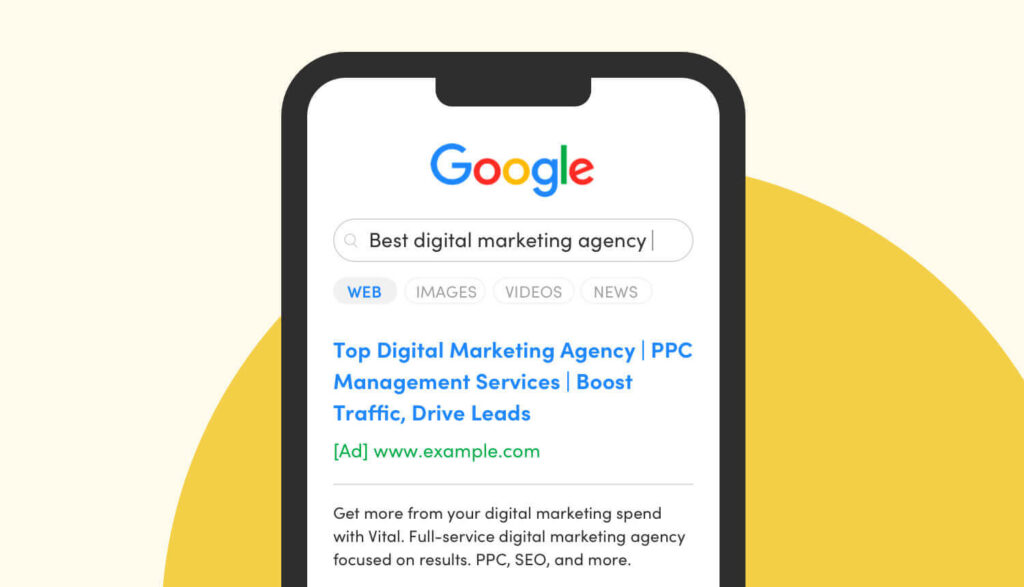
Google Ads is one of the most powerful online advertising platforms that helps businesses reach potential customers at the right moment. By displaying targeted ads on Google Search, YouTube, and partner websites, it connects your products or services with users actively searching for them. With precise keyword targeting, measurable performance, and flexible budgets, Google Ads allows you to increase website traffic, generate quality leads, and boost conversions efficiently. Whether you run a small business or a large brand, Google Ads offers the tools to grow your online presence and maximize your marketing ROI.
Why Businesses Love Google Ads:
- High-intent targeting — reach people ready to buy.
- Fast visibility at the top of Google search results.
- Easy tracking of clicks, conversions, and ROI.
- Huge reach across multiple Google platforms.
Best For:
- Service-based businesses, real estate, education, or B2B.
- Companies focused on lead generation and conversions.
3.Meta Ads vs Google Ads: Key Differences
| Feature | Meta Ads | Google Ads |
| Ad Type | Social media ads | Search & Display ads |
| User intent | Passive (discovery) | Active (search) |
| Targeting | Interests & Behavior | Keywords & loction |
| Best Goal | Awareness & Engagement | Leads & conversions |
| Cost (CPS) | Usually lower | Higher for competitive niches |
| Creative Format | Im,age /m video storytelling | Text & landing page |
4.Which Platform Should You Choose?
Choose Meta Ads if you want to:
- Build your brand visibility.
- Retarget people who visited your website.
- Grow your Instagram or Facebook followers.
Choose Google Ads if you want to:
- Get fast leads and conversions.
- Target users searching for specific keywords.
- Promote services or local businesses.
5.Pro Tip: Use Both Platforms Together
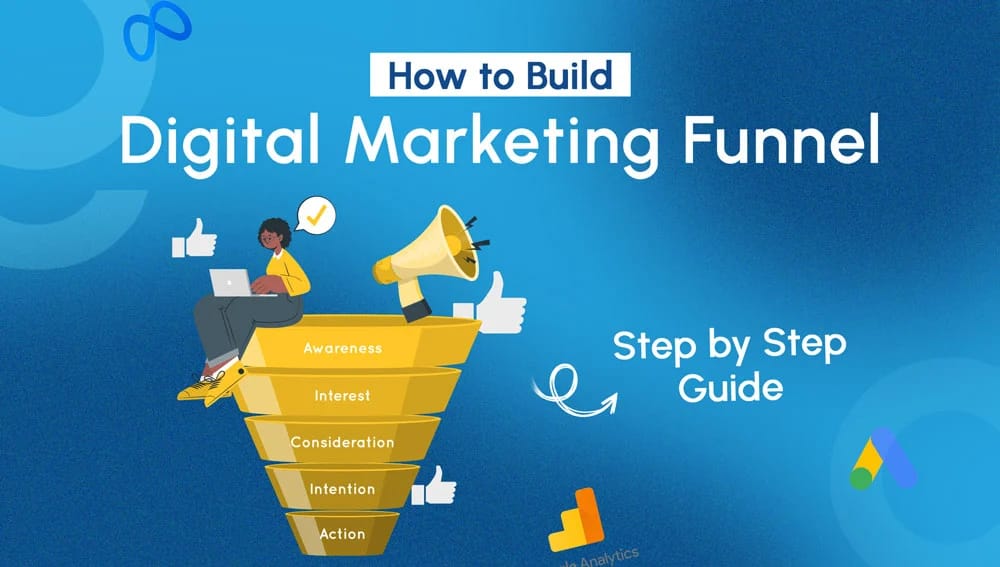
Using Meta Ads and Google Ads together is one of the smartest strategies in digital marketing. Meta Ads help you build brand awareness and engage audiences on social media, while Google Ads capture high-intent customers who are ready to buy. By combining both platforms, you can guide potential customers through every stage of the marketing funnel — from discovery to conversion. Meta Ads create interest and trust, and Google Ads turn that interest into measurable results. This full-funnel approach ensures maximum reach, stronger brand presence, and higher ROI.
- Use Meta Ads to create awareness and build your audience.
- Use Google Ads to capture leads and close sales.
This combination helps you reach customers at every stage — from discovery to purchase.
Conclusion
Both Meta Ads and Google Ads are powerful, but their effectiveness depends on your business goals and target audience.
If your goal is brand building and engagement, go for Meta Ads.
If you need conversions and measurable results, Google Ads should be your choice.
And for the best results — use both in a balanced, strategic way.